Filipino invitation etiquette: who to ask, how, and in what order
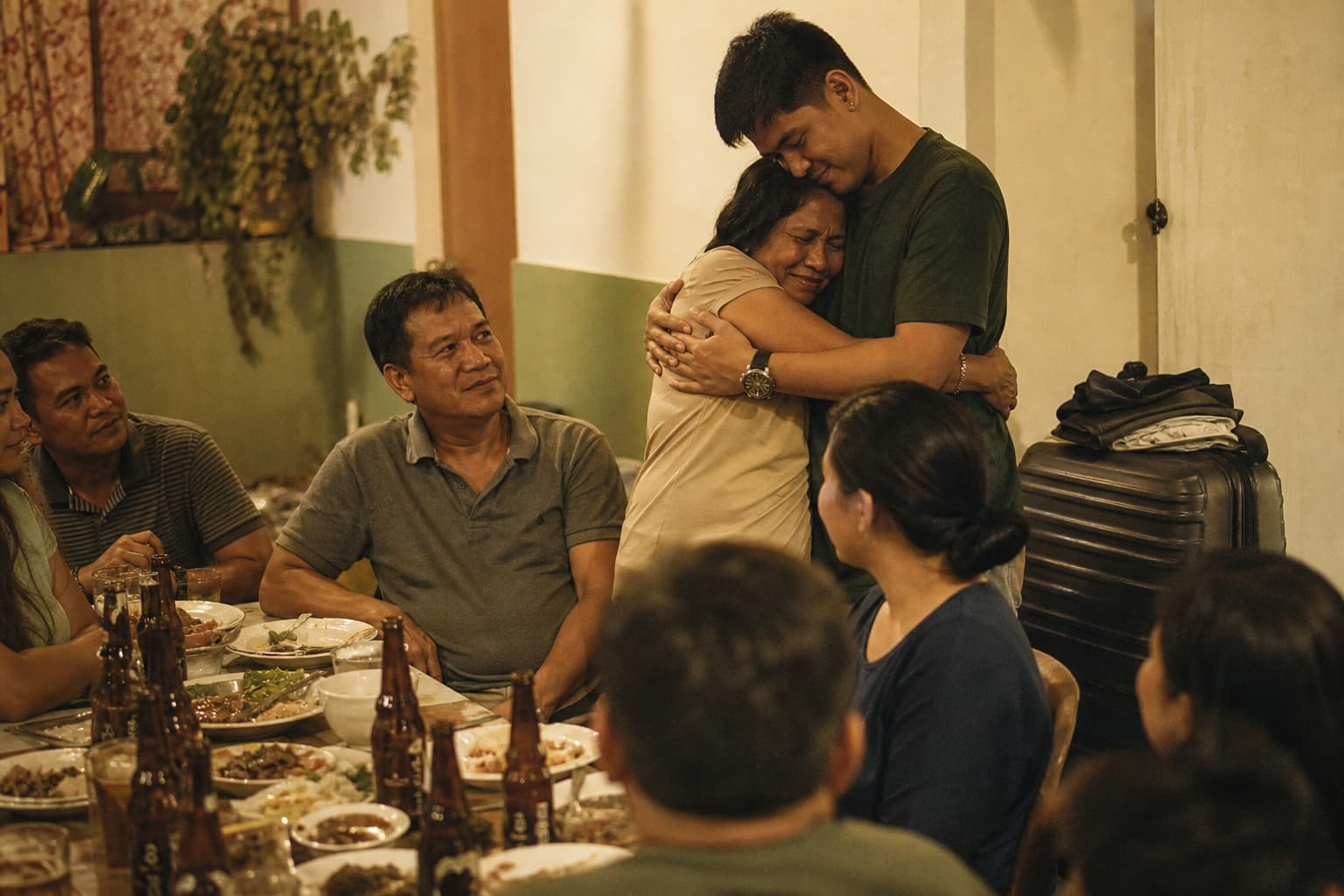
Filipino invitation etiquette has very little to do with paper stock and a great deal to do with sequence. Who hears about the day first, who is asked face to face, and who finds out from a cousin are the things that get remembered. Get the order right and almost nothing else about the invitation can offend anyone.
Etiquette5 min read

The order people are told in
Parents first, both sets, before anybody else knows the date. Then the people you are asking to stand: principal sponsors, godparents, the entourage. Then the wider family, then friends and colleagues. Every invitation that has caused a family argument broke that order rather than any rule about wording.
- 01Both sets of parents, in person, before the date is public
- 02Grandparents, ideally in the same week and ideally in person
- 03Principal sponsors and godparents, asked rather than informed
- 04The entourage, with the role named clearly when you ask
- 05Wider family, then friends and colleagues, by link or card
The mistake that costs the most
Posting the date publicly before the fourth item on that list has happened. A tita who learns she is not a ninang from a Facebook post has learned two things at once, and the second one is harder to undo than the first.
Who has to be asked in person
Anyone being given a role. Principal sponsors, godparents, readers, and whoever you are asking to give a message or a toast. Being asked to stand is a request for something, not an announcement of a fact, and requests are made face to face or on a call rather than by link.
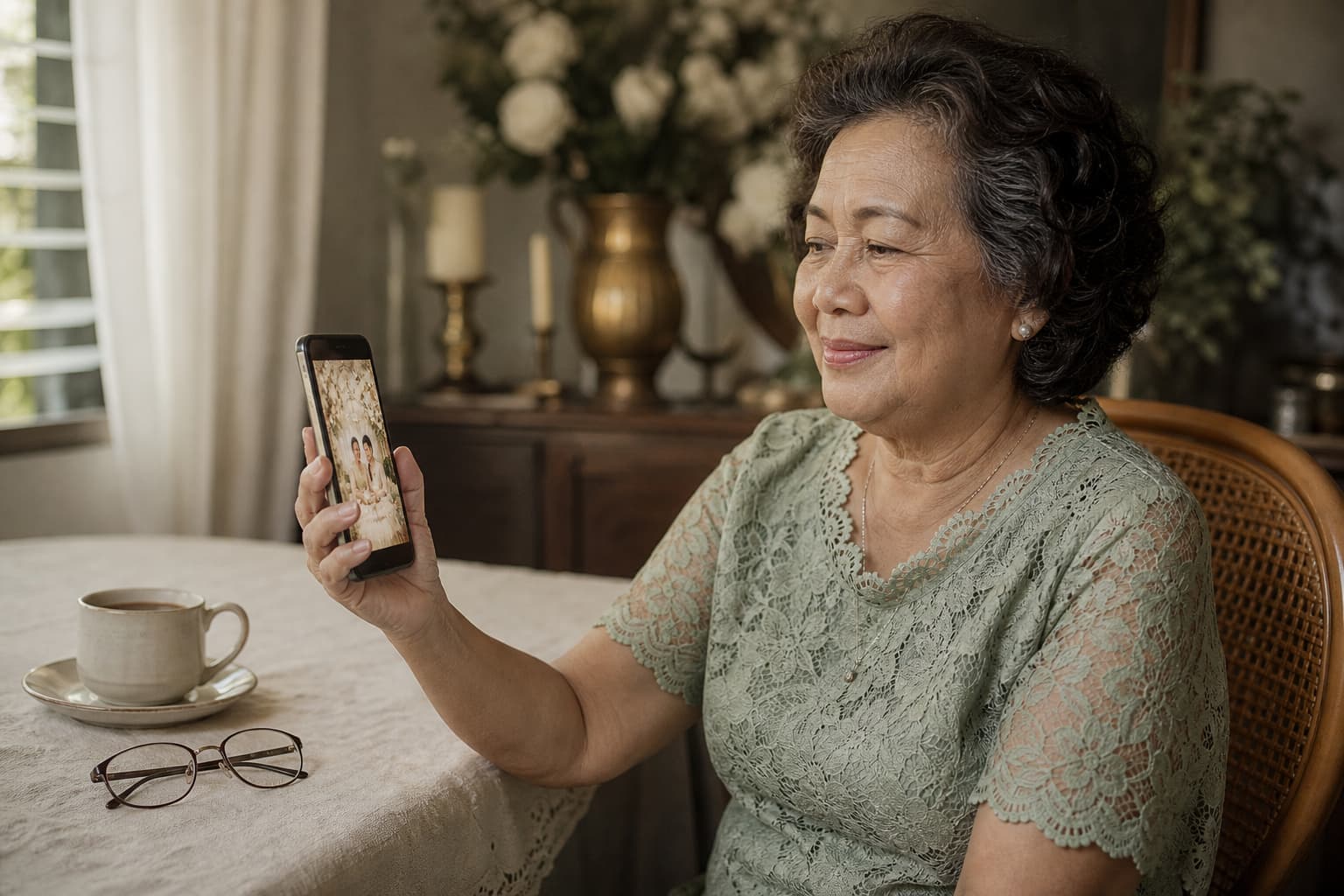
This is the part where the digital versus printed argument usually gets confused. A link is not rude; sending a link instead of asking is. Ask first, in whatever way you would ask someone for a real favour, and then send the invitation with the details on it afterwards.
For principal sponsors in particular, the asking and the handing over of something physical tend to go together. It is the one group we would always print a card for.
How to handle the guest list growing
Expect it to grow by ten to twenty percent after the parents see the draft, and budget for that before you show them. The additions are usually theirs rather than yours, and refusing them is a much bigger conversation than accommodating twenty more people at a buffet.
The practical move is to keep the list in two tiers from the start. A first tier you are certain about, and a second you can release if the numbers and the budget allow. That way the answer to a parent's addition is when rather than no, which is a different conversation entirely.
- Say the number early
- Tell both sets of parents the total the venue holds before asking for names. A cap stated first is arithmetic; a cap stated after is a rejection.
- Ask for a ranked list
- Twenty names in order of importance is far easier to trim than twenty names presented as equally essential.
- Keep a waiting list
- There will be declines. Filling seats from a second tier three weeks out is normal and nobody needs to know they were second.
- Do not invite by household blindly
- One reply for a household of six is fine; assuming a household of six is coming when two of them live abroad is how you overcater.
Plus ones, children and the words to use
Say it on the invitation rather than in a group chat. Name who is invited, and if children are not, write that the celebration is for adults and give one reason. Guests accept a stated rule far more easily than one they have to infer from the number of seats.
The kind sentence is a specific one. Rather than no children, something like we have kept the reception to adults because of the venue reads as an explanation rather than a rebuke, and it survives being screenshotted into a family thread.
The same principle covers plus ones. Addressing the invitation to a person by name, rather than a person and guest, is how you say it without saying it, and it is why personalised links are worth it on a list where the plus one question is live.
Saying it on the invitation is kinder than saying it in a group chat, and it is the one place every guest looks at least once.
Would you rather hand it over?
What actually offends, in order
A misspelled name, being left off a list you belonged on, hearing it from somebody else, and being asked to do something by group message. Notice that the format of the invitation is not on that list, and that three of the four are about being seen rather than about being informed.
| What happened | How it lands | How to avoid it |
|---|---|---|
| Second name spelled wrong | Badly, and permanently if printed | Ask each family to check their own names |
| Deceased parent not named | Very badly | Ask, and name them in the family's own words |
| Found out from a cousin | Badly | Tell parents and sponsors before posting anything |
| Asked to stand by group chat | Badly | Ask in person or on a call, then send details |
| Received a link, not a card | Usually not at all | Send it one to one with a line of your own |
The one advantage a link has in this conversation is that the first two rows are fixable. A wrong spelling on a page is corrected in ten minutes; a wrong spelling on three hundred cards becomes a story your family tells for twenty years.
Asked about this
Who should be told about the wedding first?
Both sets of parents, in person, before the date goes anywhere public. Grandparents next, then anyone you are asking to stand as a principal sponsor or godparent. Everything after that can happen by card or by link without anybody minding.
Is it rude to invite someone by Messenger?
Not if it is a message written to them. What reads badly is being one of forty names at the top of a group thread. A one-to-one message with a sentence of your own above the link is received as warmly as anything printed.
How do I say no children without offending anyone?
Write it on the invitation, with a reason. Something like we have kept the reception to adults because of the venue is a stated rule rather than a judgement, and guests accept a stated rule far more readily than one they have to work out.
How many extra guests should I expect the parents to add?
Ten to twenty percent is normal, and it is worth planning for before you show them a draft. Keeping a ranked second tier from the start turns that conversation from a refusal into a question of timing.